Commercial Roofing Services
Standing Seam Metal Roofing in Spartanburg, SC
Standing Seam Metal for Office Fronts, Facades, and Steep-Slope Buildings
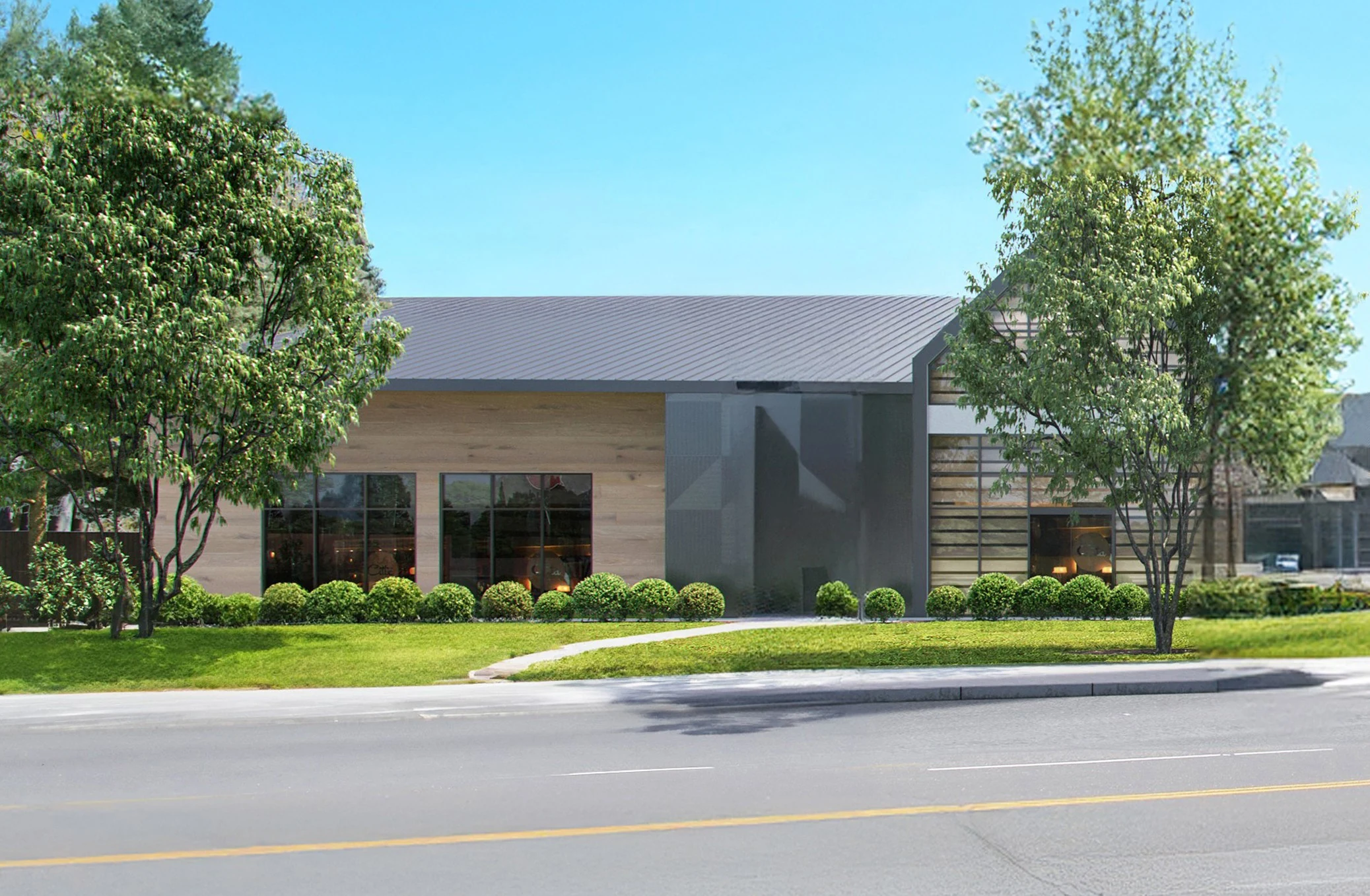
Standing seam shows up on a specific slice of Spartanburg County's commercial buildings: office fronts and mansard accents on distribution and manufacturing facilities near Greer and Duncan, agricultural and light-industrial buildings out toward Woodruff and Enoree, and steep-slope sections on institutional buildings around the county. We install and repair standing seam panels for both the architectural appearance and the weather performance owners want in this application.
Panel Profile: Snap-Lock or Mechanically Seamed
Snap-lock panels install faster and cost less, and they perform well on moderate slopes and standard wind exposure. Mechanically seamed panels, crimped with a hand or power seamer after installation, hold up better on low-slope applications and higher wind exposure sites, which describes a fair number of the open, exposed sites along the I-85 corridor. We recommend the profile based on slope, exposure, and the specific wind uplift numbers for the site rather than defaulting to the cheaper option everywhere.
Clip Systems and Thermal Movement
Metal panels expand and contract significantly across a Spartanburg County year, from summer surface temperatures well above ambient air temperature down to occasional winter freeze events. Fixed clips anchor the panel rigidly; floating clips allow the panel to move with temperature changes without stressing the seam or fastening points. We specify clip type and spacing based on panel length and expected thermal movement, since undersized or incorrectly spaced clips are a common cause of oil-canning and seam fatigue on metal roofs installed without that calculation. Panel length itself is a design decision worth getting right up front, since longer continuous runs need more expansion accommodation than a roof broken into shorter panel sections, and that tradeoff affects both clip spec and overall material cost.
Coating Systems and Long-Term Color Retention
Kynar 500 and other PVDF-based coatings resist fading and chalking far better than standard polyester coatings, which matters on buildings where the metal roof or facade panel is a visible architectural element rather than hidden low-slope roofing. We quote coating tier based on how visible the installation is and how long the owner wants the original color to hold, since the cost difference between coating grades is modest compared to the cost of an early repaint or panel replacement for fading alone. On a manufacturing office front where the metal facade is part of the building's public presentation, we generally recommend the higher coating tier regardless of budget pressure elsewhere in the project, since color failure on a visible surface is the kind of thing an owner notices every day.
- Slope, exposure, and wind uplift analysis to select panel profile
- Clip type and spacing calculated for expected thermal movement
- Underlayment selection for the substrate and application
- Panel installation with seaming verified to manufacturer tolerance
- Flashing at ridges, valleys, and wall transitions specific to the profile
- Coating tier selection matched to visibility and color-retention goals
Hail and Wind Performance
Upstate SC's spring and summer thunderstorm season produces hail with enough regularity that we factor impact resistance into panel gauge and coating recommendations, particularly on buildings that have taken hail damage before. Standing seam performs well against wind uplift when clip spacing and seam type are correctly specified for the site's exposure category, which is one more reason we run the calculation rather than using a standard spacing across every job regardless of location. Heavier gauge panels also hold up better against hail impact than thinner material, and on buildings with a documented history of storm damage, we factor that history into the gauge recommendation rather than quoting the lightest panel that meets minimum code requirements.
Repair and Panel Replacement
Isolated panel damage from hail, wind, or a rooftop equipment mishap does not always require replacing the full roof. We can typically remove and replace individual panels on a snap-lock or mechanically seamed system, matched to the existing profile and finish, provided the panel is still available or can be closely matched.
Underlayment and Substrate Compatibility
Standing seam performance depends as much on what is under the panel as the panel itself. High-temperature synthetic underlayment protects the deck against condensation and any water that works past the seams over the roof's life, and we select underlayment type based on deck material, ventilation, and whether the application is over an open structural frame or a solid substrate. On retrofit projects over an existing roof, we also confirm the substrate can accept the new underlayment and panel system without trapping moisture from whatever was there before.
Common Questions on Standing Seam
What's the difference between snap-lock and mechanically seamed panels?
Mechanically seamed panels are crimped after installation for a tighter, more weathertight seam, which we recommend on low-slope or high-wind-exposure applications. Snap-lock is faster to install and works well on standard slope and exposure.
How does clip spacing affect roof performance?
Clip type and spacing control how the panel handles thermal expansion and contraction. Incorrect spacing is a common cause of oil-canning and long-term seam fatigue.
Is a higher-grade coating worth the added cost?
On visible architectural applications, yes, since PVDF coatings hold color significantly longer than standard polyester coatings, reducing the chance of an early repaint.
Can you repair a single damaged panel instead of replacing the whole roof?
Often, yes. We assess whether the panel profile and finish can be matched before recommending a full-roof replacement over a targeted repair.
How well does standing seam handle hail common to this region?
Performance depends on panel gauge and profile. We factor regional hail exposure into gauge and coating recommendations, particularly for buildings with a history of storm damage.
Ready to review the roof scope?
Request a Roof AssessmentCoverage: Spartanburg and Upstate South Carolina
Building types: Manufacturing, logistics, retail, and institutional
Service: Assessment, repair, replacement, maintenance, and coatings
Systems: TPO, PVC, EPDM, metal, modified bitumen, and coatings
Documentation: Scope, warranty, and closeout records
Response: Spartanburg County and nearby Upstate communities